In this article, we explore interesting details about the Brazilian market, including its economic performance, growth sectors, investment opportunities, major companies, exports, and other information to help international companies and entrepreneurs understand one of the largest markets in South America.
We have included information from official Brazilian institutions and recognized international organizations, along with links to sources where readers can find additional data and research.
🚨 Important: Economic indicators may change as new information becomes available and historical figures are revised. This article uses the latest annual data available as of November 2026, with 2025 figures where applicable. It provides a general overview of the Brazilian market and should not replace detailed commercial, legal, or financial research.
Important information about Brazil
💼 Who is the President of Brazil?

The current president of Brazil is Luiz Inácio Lula da Silva, commonly known as Lula.
Born on October 27, 1945, in Caetés, Pernambuco, Lula is a politician and former trade union leader. He co-founded the Workers’ Party (PT) in 1980 and first served as president from 2003 to 2010.
After returning to office in January 2023, Lula won the 2026 presidential election with 51.79% of the valid votes. His new four-year term is scheduled to begin in January 2027.
His political career has been marked by social programs such as Bolsa Família, policies focused on poverty reduction, and initiatives involving economic development and international relations.
For official election information, visit the Brazilian Superior Electoral Court (TSE).
💬 What language is spoken in Brazil?
Brazilian Portuguese is the official and most widely spoken language in Brazil. Unlike most other South American countries, Brazil does not use Spanish as its primary language.
Other languages spoken in the country include:
- Spanish: Although it is not an official language, Spanish is understood by some Brazilians, particularly in border regions and in international business environments.
- English: English is important in international business, technology, tourism, and multinational companies. However, proficiency varies considerably across the population. According to the EF English Proficiency Index 2025, Brazil ranked 75th among 123 countries and territories, in the low-proficiency category.
- German: Spoken by communities of German descendants, particularly in parts of Southern Brazil.
- Italian: Present in communities with Italian heritage, especially in the South and Southeast.
- Japanese: Spoken within Japanese-Brazilian communities, particularly in São Paulo.
- Indigenous Languages: Brazil has a significant linguistic diversity, with hundreds of Indigenous languages documented. The 2022 Census provides more recent information about Indigenous languages and their speakers. See IBGE for official census data.
👔 What is the political system in Brazil?
Brazil operates under a Federal Presidential Republic model. It is composed of the Union, 26 states, the Federal District, and municipalities.
The country has three independent branches of government:
- Executive Branch: Led by the president at the federal level, with governors and mayors at state and municipal levels.
- Legislative Branch: Composed of the National Congress, state legislative assemblies, and municipal councils.
- Judicial Branch: Responsible for interpreting and applying Brazilian law.
🌎 What is the population size of Brazil?
According to the Brazilian Institute of Geography and Statistics (IBGE), Brazil had an estimated population of 214.2 million people on July 1, 2026.
Brazil is the largest country in Latin America by population and one of the most populous countries in the world.
Its large domestic market offers opportunities for businesses in retail, financial services, technology, healthcare, education, logistics, and many other industries.
Population growth has slowed considerably compared with previous decades. The 2022 Census recorded approximately 203.1 million residents, while the latest annual estimates show that the population has continued to increase.
Official information is available from IBGE.
🔢 What is the average age of Brazilians?
Brazil’s population is gradually aging. According to the 2022 Census, the median age of the Brazilian population was approximately 35 years.
This demographic transition is relevant to businesses operating in healthcare, insurance, retirement planning, housing, financial services, and products aimed at older consumers.
✝ What is the religion of Brazilians?
According to the 2022 Census released by IBGE, Catholicism remains the largest religious group in Brazil, while Evangelical Christianity has increased its share of the population.
The census also recorded people who identify with Spiritism, Afro-Brazilian religions, other religious traditions, and no religion.
The 2022 Census is a more appropriate reference than older opinion polls for understanding the country’s religious composition. Detailed results are available through IBGE.
🗾 How many states are there in Brazil?
Brazil has 26 states and one Federal District.
The Federal District is home to Brasília, the country’s capital. It is not a state or a municipality, but a separate federative unit with its own particular administrative structure.
☀ What is the weather like in Brazil?
Due to its large geographical extension, Brazil has several different climate types.
The main classifications include:
- Equatorial
- Semi-arid
- Tropical
- Tropical highland
- Tropical Atlantic
- Subtropical
Temperatures and rainfall vary considerably between regions. This diversity influences agriculture, tourism, energy production, and other economic activities.
Updated Brazilian Economic Data for 2025–2026

💡 A country’s GDP (Gross Domestic Product) represents the total value of final goods and services produced within its borders during a specific period.
According to the Brazilian Institute of Geography and Statistics (IBGE), Brazil’s GDP reached R$ 12.7 trillion in 2025, representing real growth of 2.3% compared with 2024.
Brazil remains one of the largest economies in the world and the largest economy in Latin America.
Brazilian GDP – 2025
- Total GDP: R$ 12.7 trillion.
- GDP per capita: R$ 59,687.49.
- Annual real growth: 2.3%.
These figures are published and periodically revised by IBGE. The latest information can be checked at IBGE’s GDP information page.
Brazilian Economic Structure
Brazil has a diversified economy, with the services sector accounting for the largest share of economic activity.
According to IBGE’s 2025 national accounts, the approximate gross value added by the main sectors was:
- Services: R$ 7.6 trillion.
- Industry: R$ 2.6 trillion.
- Agriculture and livestock: R$ 775.3 billion.
The main services are:
- Administrative and business services
- Education
- Healthcare
- Financial and insurance services
- Information and communication technology
- Retail and wholesale trade
- Transportation and logistics
- Real estate activities
- Professional, scientific, and technical services
- Tourism and hospitality
Highlights:
The Brazilian services sector includes traditional activities such as retail, transportation, and public administration, as well as rapidly developing areas such as technology, digital services, financial technology, and business consulting.
Notable growth areas in recent years:
- Information technology and communication services
- Financial and digital services
- Professional and business services
- Tourism, accommodation, and food services
Industrial Sector
Brazil has a diversified industrial sector that includes oil and gas, mining, automotive manufacturing, food processing, chemicals, pharmaceuticals, machinery, and electrical equipment.
Industry generated approximately R$ 2.6 trillion in gross value added in 2025.
The country is particularly important in the production of oil, iron ore, steel, vehicles, food products, and industrial machinery.
Agricultural Sector
Agriculture and livestock production remain essential to the Brazilian economy.
The sector generated approximately R$ 775.3 billion in gross value added in 2025. Agricultural production also plays a major role in Brazil’s export performance.
Soybeans, corn, coffee, sugar, beef, poultry, and cotton are among the country’s most important agricultural products.
National Trend
The services sector represents the largest part of Brazil’s economy, followed by industry and agriculture.
According to IBGE, services include a broad range of activities, from transportation and communication to consulting, finance, retail, and information technology.
This makes the sector particularly relevant to international companies looking for business opportunities in Brazil, including software development, outsourcing, professional services, and digital solutions.

Highlights:
Tourism
Tourism is an important contributor to Brazil’s services economy. The country attracts visitors through its beaches, natural landscapes, cultural attractions, historical cities, and major events.
Some of Brazil’s best-known destinations include Rio de Janeiro, São Paulo, Florianópolis, Salvador, Foz do Iguaçu, Recife, and the Amazon region.
Tourism supports several connected industries, including hotels, restaurants, transportation, entertainment, retail, and event production.
Major events such as Carnival, New Year’s Eve celebrations, music festivals, and international sporting competitions can generate substantial economic activity for local businesses.
For example, Rio de Janeiro’s Carnival and large-scale events on Copacabana Beach demonstrate the economic importance of tourism and entertainment for the city.

Tourism-related opportunities include hospitality technology, travel platforms, booking services, specialized tours, event management, and premium experiences.
Strength in Foreign Trade
According to the Brazilian Ministry of Development, Industry, Trade and Services (MDIC), Brazil recorded US$ 348.7 billion in exports in 2025, an increase of approximately 3.5% compared with 2024.
Imports reached approximately US$ 280.4 billion, resulting in a trade surplus of around US$ 68.3 billion.
Total Brazilian foreign trade reached a record level of approximately US$ 629.1 billion.
Major forces of the Brazilian market abroad in 2025:
- Record Exports
- Total exports reached approximately US$ 348.7 billion.
- Export revenue increased by approximately 3.5% compared with 2024.
- Trade Balance
- Brazil recorded a trade surplus of approximately US$ 68.3 billion.
- Total trade flows reached a record level of approximately US$ 629.1 billion.
- Main Destinations
- China: Brazil’s most important trading partner, particularly for agricultural products, minerals, and energy.
- United States: An important destination for manufactured goods, agricultural products, and other Brazilian exports.
- European Union: A significant commercial partner for agricultural products, industrial goods, and commodities.
- Argentina: An important regional partner, particularly for manufactured products and automotive trade.
- Highlighted Export Sectors
- Agriculture: Agricultural exports reached approximately US$ 169.2 billion in 2025, representing around 48.5% of total Brazilian exports.
- Extractive Industry: Oil and mineral products remain important components of Brazilian exports.
- Manufacturing Industry: Industrial exports include vehicles, machinery, aircraft, chemicals, food products, and other manufactured goods.
- Main Exported Products
- Soybeans, crude oil, iron ore, beef, coffee, corn, sugar, cellulose, and poultry.
- Imports
- Brazil imports machinery, electronic equipment, chemical products, fertilizers, fuels, pharmaceuticals, and industrial components.
- Imports are particularly important for manufacturing, technology, agriculture, and infrastructure.
- International Trade Partnerships
- Brazil is a founding member of Mercosur, the South American trade bloc.
- China, the United States, and the European Union remain important commercial partners.
- Brazil continues to pursue trade agreements and stronger commercial relationships with markets in Asia, Europe, Africa, and the Americas.

Popular Brazilian Companies
Publicly Traded Companies:
Brazil has several large publicly traded companies operating in important sectors of the economy. The following are examples of major businesses listed on stock exchanges. Their market values fluctuate and should not be treated as fixed rankings.
- Petrobras (PETR3/PETR4)
- Sector: Oil and gas, energy, refining, and production.
- One of Brazil’s most important companies and a major player in the global energy industry.
- Vale (VALE3)
- Sector: Mining and logistics.
- One of the world’s major producers of iron ore and nickel.
- Itaú Unibanco (ITUB4)
- Sector: Banking and financial services.
- One of the largest private financial institutions in Latin America.
- Bradesco (BBDC3/BBDC4)
- Sector: Banking, insurance, and financial services.
- A major financial institution with a broad national presence.
- Ambev (ABEV3)
- Sector: Beverage production and distribution.
- One of the most recognized beverage companies in Brazil and Latin America.

Other Major Brazilian Companies:
The following companies are also important in the Brazilian business environment. Some are publicly traded, while others have different ownership structures.
- JBS
- Sector: Food production and processing.
- One of the world’s largest food companies, with extensive international operations.
- BTG Pactual
- Sector: Banking, investment banking, and asset management.
- A major financial institution with operations in several countries.
- Magazine Luiza
- Sector: Retail and e-commerce.
- A major Brazilian retailer with an extensive digital commerce operation.
- Nubank
- Sector: Financial technology and digital banking.
- Founded in Brazil, Nubank has expanded its operations into other Latin American markets.
- WEG
- Sector: Industrial equipment and electrical technology.
- A Brazilian manufacturer with a significant international presence.
How is the Job Market in Brazil?
🚨 Important: Employment indicators vary depending on the methodology used. The following figures refer to the annual average and should not be confused with formal employment registrations alone.
According to the Brazilian Institute of Geography and Statistics (IBGE), Brazil recorded an annual unemployment rate of approximately 5.6% in 2025, the lowest annual average in the historical PNAD Contínua series, which began in 2012.
Other relevant indicators included:
- Unemployment rate: 5.6% in 2025.
- Employed population: Approximately 103 million people, a record level.
- Employment trend: The labor market remained strong, with a high number of people employed across different economic sectors.
The Brazilian job market includes opportunities in technology, manufacturing, retail, healthcare, financial services, logistics, education, and administrative activities.
The country also has a significant formal employment system, with labor contracts governed by the Consolidation of Labor Laws (CLT), alongside self-employed professionals, independent contractors, and individual microentrepreneurs (MEIs).
For international companies, Brazil offers access to a large talent pool, including software developers, engineers, customer service professionals, sales representatives, finance specialists, and administrative professionals.
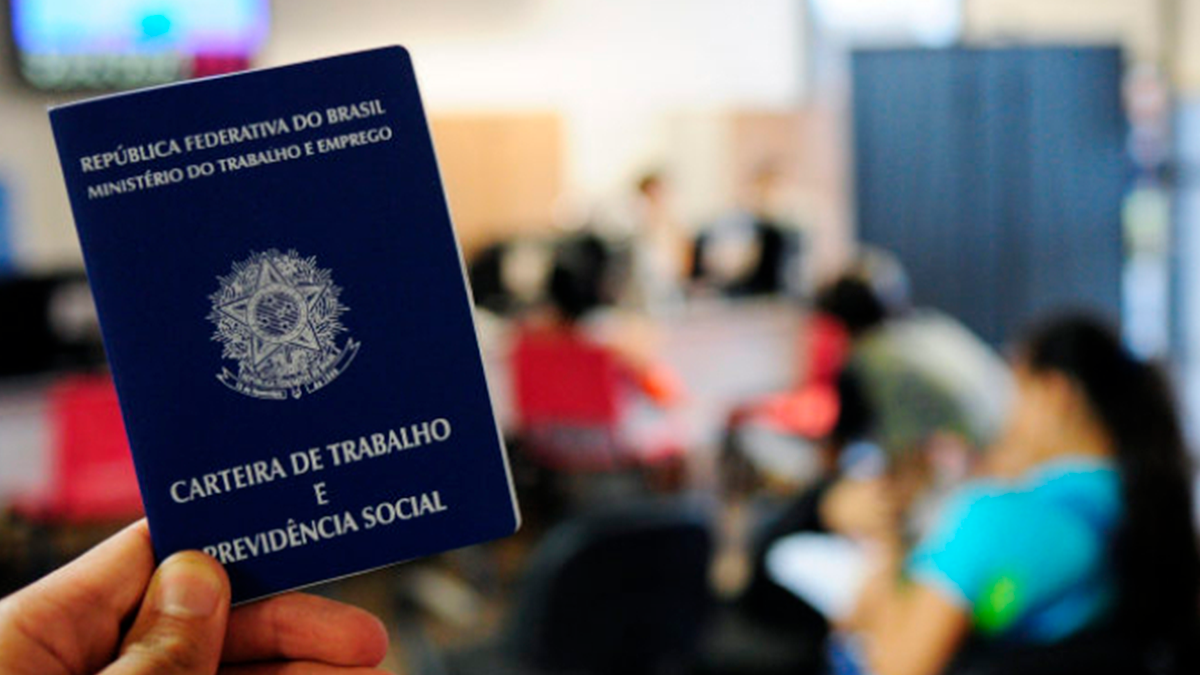
Official employment statistics are available from IBGE and the Brazilian government’s Ministry of Labor and Employment.
What are the main products Brazil exports abroad?
Brazilian exports are strongly represented by agricultural products, minerals, and energy commodities. However, the country also exports manufactured goods, aircraft, vehicles, machinery, chemicals, and industrial products.
According to the Brazilian Ministry of Agriculture, agricultural exports reached approximately US$ 169.2 billion in 2025.
The main export products include:
-
Soybeans
Soybeans are among Brazil’s most important export products. Brazil is one of the world’s leading soybean producers and exporters, with production concentrated particularly in the Central-West and Southern regions.
In 2025, soybean exports generated approximately US$ 43.5 billion. China remained the main destination for Brazilian soybeans.
-
Oil (Petroleum)
Crude oil is one of Brazil’s most important mineral exports. The country has become a major global oil producer, supported by offshore production and the development of its pre-salt reserves.
The state of Rio de Janeiro is particularly important to the sector because of its concentration of offshore oil production and related infrastructure.
-
Iron Ore
Iron ore is another major Brazilian export, with China being one of its principal international buyers.
Production is concentrated mainly in the states of Minas Gerais and Pará. Iron ore is an essential raw material for steel production, construction, machinery, and industrial manufacturing.
-
Cellulose
Brazil is an important global producer and exporter of pulp and cellulose, supported by its large forestry and paper industries.
The product is used in paper, packaging, hygiene products, and other industrial applications. China and other international markets are important destinations.
-
Corn
Corn is one of Brazil’s major agricultural products and an important export commodity.
It is used in animal feed, food production, and industrial applications. Production is particularly strong in states such as Mato Grosso, Paraná, and Goiás.
-
Beef
Brazil is one of the world’s leading beef producers and exporters.
In 2025, beef exports generated approximately US$ 17.9 billion, with China remaining a major destination.
The industry is supported by large-scale cattle production, processing facilities, and an established international distribution network.
-
Coffee
Brazil is the world’s largest coffee producer and an important exporter of both Arabica and Robusta coffee.
Coffee exports generated approximately US$ 16 billion in 2025, reflecting the importance of the product in international agricultural trade.
Minas Gerais, Espírito Santo, São Paulo, and Bahia are among the country’s important coffee-producing states.
-
Poultry
Brazil is also one of the world’s leading poultry exporters.
The industry supplies international markets in Asia, the Middle East, Europe, and other regions. Paraná is particularly important for poultry production and processing.
It is important to note that Brazil’s export profile is not limited to agricultural commodities. Oil, iron ore, and manufactured products also play significant roles in international trade.
The country’s natural resources, agricultural productivity, and industrial capacity make it an important supplier to global markets.
How to Invest in Brazil in 2026
Foreign investors can participate in the Brazilian economy through different investment structures, including financial investments, company formation, acquisitions, joint ventures, and direct investment in productive activities.
According to UN Trade and Development (UNCTAD), foreign direct investment inflows to Brazil increased from approximately US$ 63 billion in 2024 to US$ 77 billion in 2025, placing Brazil among the world’s leading destinations for foreign investment.
Types of Investors
There are two broad categories of investors in the Brazilian financial market:
- Domestic Investor: An individual or company based in Brazil that invests in financial products, businesses, or other assets.
- Foreign Investor: An individual or legal entity based outside Brazil that invests in Brazilian financial markets, companies, real estate, infrastructure, or productive activities.
Investment Rules:
Foreign investors can invest in Brazil, but the procedures depend on the type of investment and the investor’s legal structure.
For example, foreign investors participating in the Brazilian financial market may need to complete registration and reporting procedures with the Central Bank of Brazil and other relevant authorities.
Necessary Representatives:
Depending on the investment structure, foreign investors may need:
- Legal Representative: Represents the foreign investor before Brazilian authorities when required.
- Tax Representative: Handles tax-related responsibilities and communications with Brazilian authorities when applicable.
- Custodian: Provides custody and administrative services for financial assets when required by the investment structure.
Taxation:
Tax treatment depends on the type of investment, the investor’s country of residence, applicable treaties, and the relevant Brazilian regulations.
There is no single tax rate applicable to every foreign investor or investment category. Capital gains, dividends, interest, financial investments, and business income may be subject to different rules.
Investors should obtain professional tax advice before transferring funds or making investments.
Advantages and Disadvantages:
Foreign investment can provide access to a large consumer market, natural resources, skilled professionals, and opportunities in growing industries.
However, investors should also consider exchange-rate fluctuations, taxation, bureaucracy, labor regulations, and the complexity of establishing and managing a local operation.
The Brazilian government provides information for foreign investors through its official portal:
Invest & Export Brasil – Official Government Portal.
But… Is Brazil Good for Business?
Brazil offers significant opportunities for foreign companies because of its large domestic market, diversified economy, natural resources, and established business infrastructure.
The country has attracted international investment in areas such as technology, energy, agriculture, manufacturing, financial services, and infrastructure.
However, doing business in Brazil also involves challenges, particularly in taxation, regulatory compliance, labor legislation, and administrative procedures.
The country’s tax reform is currently being implemented through a transition period, which makes it especially important for international companies to follow changes in tax regulations.
Brazil’s Business Complexity
According to the Global Business Complexity Index (GBCI) 2026, published by TMF Group, Brazil ranked as the third most complex jurisdiction for doing business.
The ranking reflects challenges such as:
- Multiple layers of taxation.
- Complex accounting and reporting requirements.
- Labor and employment regulations.
- Administrative and bureaucratic procedures.
- Frequent regulatory changes.
- Complex import and customs processes.
Brazil’s position in the ranking highlights the importance of understanding local regulations before establishing a business.
Brazil remains one of the world’s most complex business environments
The Global Business Complexity Index evaluates the administrative and regulatory challenges companies face when establishing and operating businesses in different jurisdictions.
Brazil’s position in the 2026 edition demonstrates that, despite improvements in certain areas, the country continues to require careful planning and local expertise.
Latin America remains a particularly challenging region for international companies because of differences in taxation, employment legislation, reporting requirements, and administrative procedures.
For foreign entrepreneurs, working with experienced local accountants, lawyers, consultants, and business partners can help reduce operational risks.

The Best Niches to Start a Business in Brazil
Brazil’s large population and diversified economy create opportunities across several industries. However, the best business niche depends on investment capacity, target customers, competition, and regional demand.
Some sectors worth researching include:
- Personalization Market: Customized products and services can help businesses differentiate themselves in competitive consumer markets. Examples include personalized gifts, clothing, cosmetics, accessories, and tailored subscription services.
- Healthy Food and Veganism: Demand for healthier food options, plant-based products, functional foods, and convenient meal solutions creates opportunities for restaurants, food manufacturers, and specialized retailers.
- Beauty and Dermocosmetics: Brazil has a large beauty and personal care market. Skincare, haircare, dermocosmetics, and specialized beauty products offer opportunities for local and international brands.
- Pet Products and Services: Brazil has one of the largest pet markets in the world. Opportunities include premium pet food, veterinary services, grooming, accessories, pet technology, and specialized products.
- Technology and Software Development: Brazil’s IT market reached approximately US$ 67.8 billion in 2025, according to ABES. Opportunities include software development, artificial intelligence, cybersecurity, cloud computing, automation, and fintech solutions.
- Renewable Energy: Solar, wind, hydropower, and bioenergy are important parts of Brazil’s energy mix. Businesses can explore equipment, energy management, storage, maintenance, and project development.
- E-commerce and Digital Services: Online retail, digital payments, logistics, marketplaces, subscription platforms, and digital marketing remain important areas for business development.
- Healthcare and Medical Technology: Healthcare software, medical equipment, telemedicine, diagnostics, and specialized services offer opportunities in Brazil’s large public and private healthcare markets.
- Agricultural Technology: Precision agriculture, farm management software, automation, storage, irrigation, and supply-chain technology can help Brazilian agricultural producers improve productivity.
- Logistics and Transportation: Brazil’s continental size and strong agricultural and industrial sectors create demand for freight management, warehousing, fleet technology, and distribution services.
For more detailed insights, read our related article: Top Businesses to Start in Brazil for Foreign Entrepreneurs.
The Largest Brazilian Companies
Understanding the largest companies in Brazil helps explain the composition of the country’s economy and its main business sectors.
The following companies are among the most important Brazilian businesses. This list is illustrative and is not a fixed ranking by market capitalization, since stock market values change constantly.
- Petrobras (PETR3/PETR4) – One of the world’s major energy companies, specializing in oil and gas exploration, production, refining, and related activities.
- Itaú Unibanco (ITUB4) – One of the largest private banks in Brazil and Latin America, offering banking, credit, insurance, and investment services.
- Vale (VALE3) – A major global mining company focused on iron ore, nickel, and other minerals.
- Ambev (ABEV3) – A leading beverage producer with a significant presence in Brazil and other international markets.
- BTG Pactual (BPAC11) – A major financial institution focused on investment banking, asset management, and financial services.
- Banco do Brasil (BBAS3) – One of the country’s largest financial institutions, with an important role in agricultural financing and banking services.
- WEG (WEGE3) – A Brazilian industrial company that manufactures electric motors, automation systems, generators, and energy equipment.
- Bradesco (BBDC3/BBDC4) – A major private bank offering financial, insurance, and investment services.
- JBS – One of the world’s largest food companies, with operations in several countries and a broad portfolio of meat and food products.
- Nubank (NU) – A digital financial services company founded in Brazil, with operations across Latin America.
The Largest Multinational Companies in Brazil
Brazil hosts operations from many international companies across technology, manufacturing, consumer goods, automotive, healthcare, and financial services.
Here are ten examples of major multinational companies operating in the Brazilian market:
- Apple: Consumer electronics, smartphones, computers, and digital services.
- Toyota Motor: Automotive manufacturing, distribution, and mobility services.
- Samsung: Electronics, smartphones, home appliances, and technology.
- Volkswagen Group: Automotive manufacturing and distribution, with a long history in Brazil.
- Johnson & Johnson: Healthcare and medical products, with a long-standing presence in the Brazilian market.
- Microsoft: Enterprise software, cloud computing, artificial intelligence, and digital services.
- Unilever: Consumer goods, personal care, hygiene, and food products.
- Nestlé: Food and beverage production and distribution.
- Procter & Gamble (P&G): Consumer goods, including personal care, hygiene, and household products.
- Coca-Cola: Beverage production, distribution, and marketing.
The Most Valuable Brazilian Brands
Brazil has several nationally recognized brands in banking, retail, cosmetics, beverages, energy, telecommunications, and other industries.
Brand valuation rankings vary according to the methodology, research period, and organization responsible for the study. Instead of presenting outdated 2022/2023 financial valuations as current figures, the following list highlights well-known Brazilian brands and their respective sectors.
- Itaú – Financial services and banking.
- Bradesco – Financial services and insurance.
- Skol – Beverages.
- Brahma – Beverages.
- Banco do Brasil – Financial services.
- Natura – Cosmetics and personal care.
- Nubank – Digital financial services.
- Magazine Luiza – Retail and e-commerce.
- Vivo – Telecommunications.
- Petrobras – Energy.
- Renner – Fashion retail.
- XP – Financial services and investments.
- Ipiranga – Fuel distribution and energy.
- Raia Drogasil – Pharmacy and healthcare retail.
- Claro – Telecommunications.
- Porto – Insurance and financial services.
- Havaianas – Footwear.
- Cielo – Payment technology.
- Assaí Atacadista – Wholesale and retail.
- Atacadão – Wholesale and retail.
- PagBank – Digital financial services and payments.
- Localiza – Car rental and mobility.
- Sadia – Food products.
- O Boticário – Cosmetics and personal care.
- Hering – Fashion and apparel.
For updated brand valuation studies, consult the publications of Interbrand and other recognized brand valuation organizations.
The 10 Richest Brazilians
According to Forbes Brasil’s 2026 billionaire ranking, Brazil has hundreds of billionaires whose fortunes are associated with technology, banking, investments, industry, retail, and other sectors.
The following are among the ten wealthiest Brazilians in the 2026 ranking:
- Eduardo Saverin – Approximately R$ 162.9 billion.
- Co-founder of Facebook and an investor in technology companies. He is based in Singapore.
- Vicky Safra and family – Approximately R$ 130.6 billion.
- Associated with the Safra banking group and its financial investments.
- Jorge Paulo Lemann and family – Approximately R$ 103.5 billion.
- Investor and co-founder of 3G Capital, known for investments in major international companies.
- André Esteves – Approximately R$ 66.1 billion.
- One of the leading figures associated with BTG Pactual, a major Brazilian financial institution.
- Fernando Roberto Moreira Salles – Approximately R$ 50.3 billion.
- Member of the Moreira Salles family, associated with the Brazilian banking and investment sector.
- Pedro Moreira Salles – Approximately R$ 46.6 billion.
- Businessman and member of the Moreira Salles family, with interests in financial and industrial activities.
- Marcel Herrmann Telles – Approximately R$ 38.8 billion.
- Investor and business partner associated with 3G Capital and major international consumer companies.
- Miguel Krigsner – Approximately R$ 35.7 billion.
- Founder of the O Boticário Group, one of Brazil’s best-known cosmetics businesses.
- Carlos Alberto Sicupira and family – Approximately R$ 35.4 billion.
- Investor associated with 3G Capital and international businesses in the food and beverage industries.
- Ricardo Castellar de Faria – Approximately R$ 35.1 billion.
- Entrepreneur associated with the agricultural sector.
These fortunes are estimates and can change according to company valuations, financial markets, and exchange rates. For the latest information, visit Forbes’ Real-Time Billionaires list.
Conclusion
The Brazilian market offers significant opportunities for international companies and entrepreneurs. As the largest economy in Latin America, Brazil combines a large consumer market, abundant natural resources, a diversified industrial base, and a growing technology sector.
The country is particularly relevant for businesses interested in technology, agriculture, energy, financial services, e-commerce, manufacturing, and professional services.
However, companies considering entering Brazil should also understand the challenges associated with taxation, labor regulations, bureaucracy, and regional differences.
We hope this article has helped international readers gain a better understanding of Brazil’s economy, business environment, major companies, and investment opportunities.
For more detailed information about the Brazilian market, consult the following official and recognized sources: